Your home's foundation isn't something you think about every day, but when you do, it's usually because something's caught your eye. And that's when the questions start. I've been pouring and fixing foundations here in Stockton for a long time, and I've heard just about every concern. So, let's tackle some of the most common ones you folks ask me.
What's the difference between a slab-on-grade and a raised foundation?
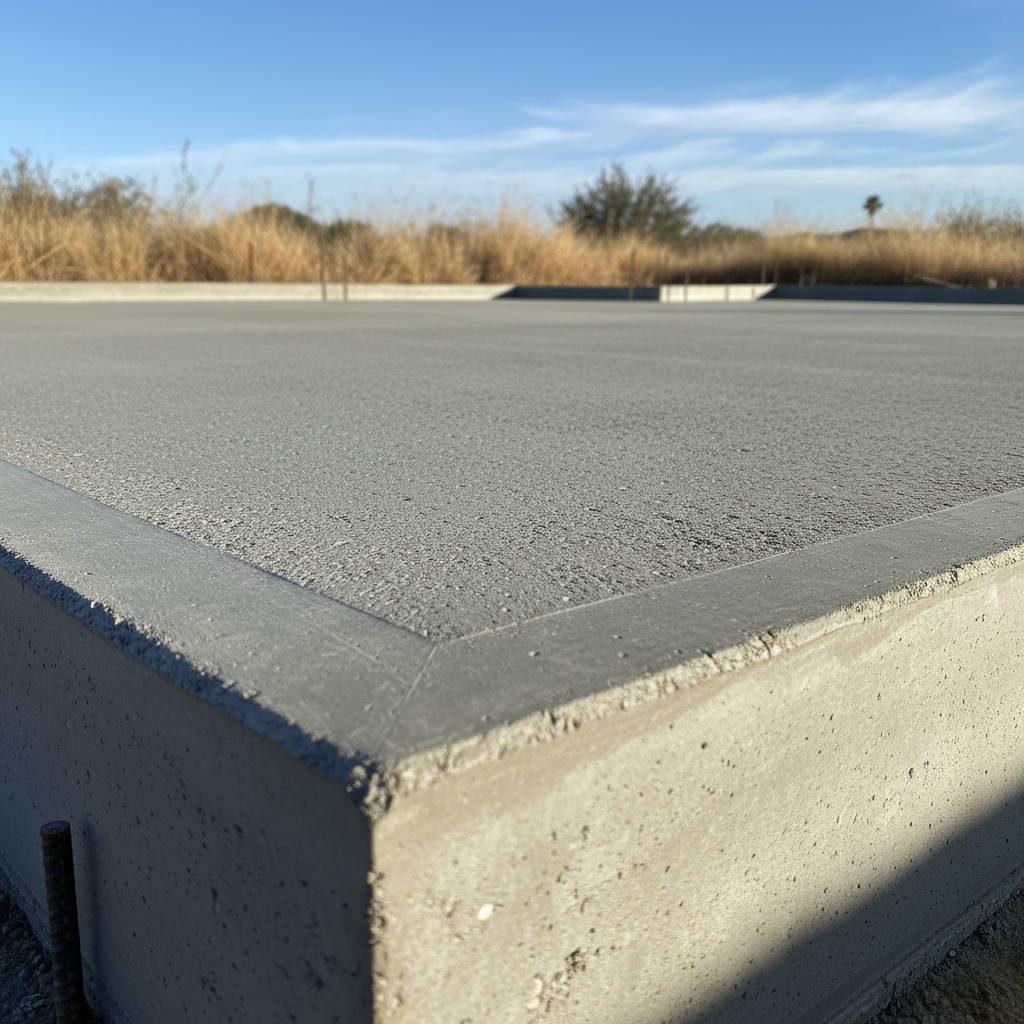
This is a big one, and it really dictates a lot about your home. A slab-on-grade foundation is exactly what it sounds like: your house sits directly on a concrete slab that's poured right on the ground. Think of most newer homes you see, especially out in areas like Spanos Park or Weston Ranch. They're typically slab-on-grade. It's generally quicker and cheaper to build, and you don't have a crawl space.
A raised foundation, on the other hand, means your house is built on a perimeter of concrete walls (stem walls) with a crawl space underneath. The floor joists then sit on these walls. You'll see a lot of older homes, especially in areas like the Miracle Mile or the Central Valley's historic districts, built this way. The big advantage here is that crawl space gives you access to plumbing, electrical, and HVAC lines for maintenance or repairs. It also helps with ventilation, which can be a plus in our hot Stockton summers.
Are all cracks in my foundation a big deal?
No, not all cracks are created equal, and this is probably the most common thing people call me about. Hairline cracks, especially vertical ones, are often just shrinkage cracks. Concrete shrinks a little as it cures, and these small cracks are usually nothing to worry about structurally. They're cosmetic. Think of them like wrinkles on an old friend – they're just part of the deal.
What you need to keep an eye on are wider cracks (say, wider than a quarter-inch), horizontal cracks, or cracks that are actively growing or showing signs of differential movement – meaning one side is higher or lower than the other. Stair-step cracks in block or brick foundations are also a red flag. If you see any of these, don't just ignore 'em. Get someone out to take a look. It could be settlement, soil issues, or something more serious.
How long should a concrete foundation last?
A properly built concrete foundation, with good materials and good workmanship, should last for generations. We're talking 75 to 100 years, easily, and often much longer. Concrete is incredibly durable. The biggest threats to its longevity aren't usually the concrete itself, but external factors. Things like poor drainage causing water to constantly sit against it, significant tree root intrusion, or major seismic activity can all impact its lifespan. But if it's maintained and protected from these external forces, that foundation will likely outlive us all.
What are the signs of serious foundation problems?
Okay, so beyond those serious cracks we just talked about, there are other tell-tale signs. Inside your house, look for doors and windows that stick or don't close properly. You might see gaps forming around window frames or door frames. Floors that feel unlevel or sloped are another big indicator. Drywall cracks, especially around door and window openings, can also point to foundation movement. Outside, watch for chimneys leaning, porches separating from the house, or gaps between siding and the foundation. If you see a combination of these, it's time to call in a pro like Stockton Concrete Contractors to get a real assessment.
Can foundation problems be fixed, or do I need a whole new foundation?
Most foundation problems can absolutely be fixed. It's rare that you'd need a complete foundation replacement, though it does happen in extreme cases, like severe damage from a natural disaster or a really poorly constructed original foundation. More often, we're talking about things like underpinning, where we install piers or piles under the existing foundation to stabilize and lift it. Sometimes it's just about repairing specific sections, addressing drainage issues, or injecting epoxy into cracks. The fix really depends on the cause and extent of the damage. Don't assume the worst until you've had a professional evaluation.
How does our Stockton soil affect foundations?
Ah, the soil. This is a big one for us in the Central Valley. We've got a lot of expansive clay soils around here. What that means is the soil swells when it gets wet and shrinks when it dries out. Think of it like a sponge. This constant movement – swelling and shrinking – can put a lot of stress on a foundation over time. It can cause differential settlement, where one part of the foundation moves more than another. That's why proper drainage around your home is so critical here. Keeping water away from your foundation is your first line of defense against our local soil trying to mess with your house.
What about earthquakes? Are Stockton foundations built to withstand them?
This is California, so earthquakes are always on our minds. Modern foundations, especially those built in the last 30-40 years, are designed with seismic activity in mind. Building codes have gotten much stricter over the years, requiring things like rebar reinforcement, anchor bolts to secure the house to the foundation, and shear walls. Older homes, particularly those built before the 1970s, might not have these same protections. If you have an older home, especially a raised foundation, you might consider seismic retrofitting. That often involves adding anchor bolts, plywood sheathing to cripple walls, and strengthening connections. It's a smart investment for peace of mind, especially given our proximity to major fault lines.
Look, your foundation is literally the bedrock of your home. Don't ignore it. If you've got concerns or just want someone to take a look, give us a call at Stockton Concrete Contractors. We're here to help you understand what's going on and make sure your home stays solid.