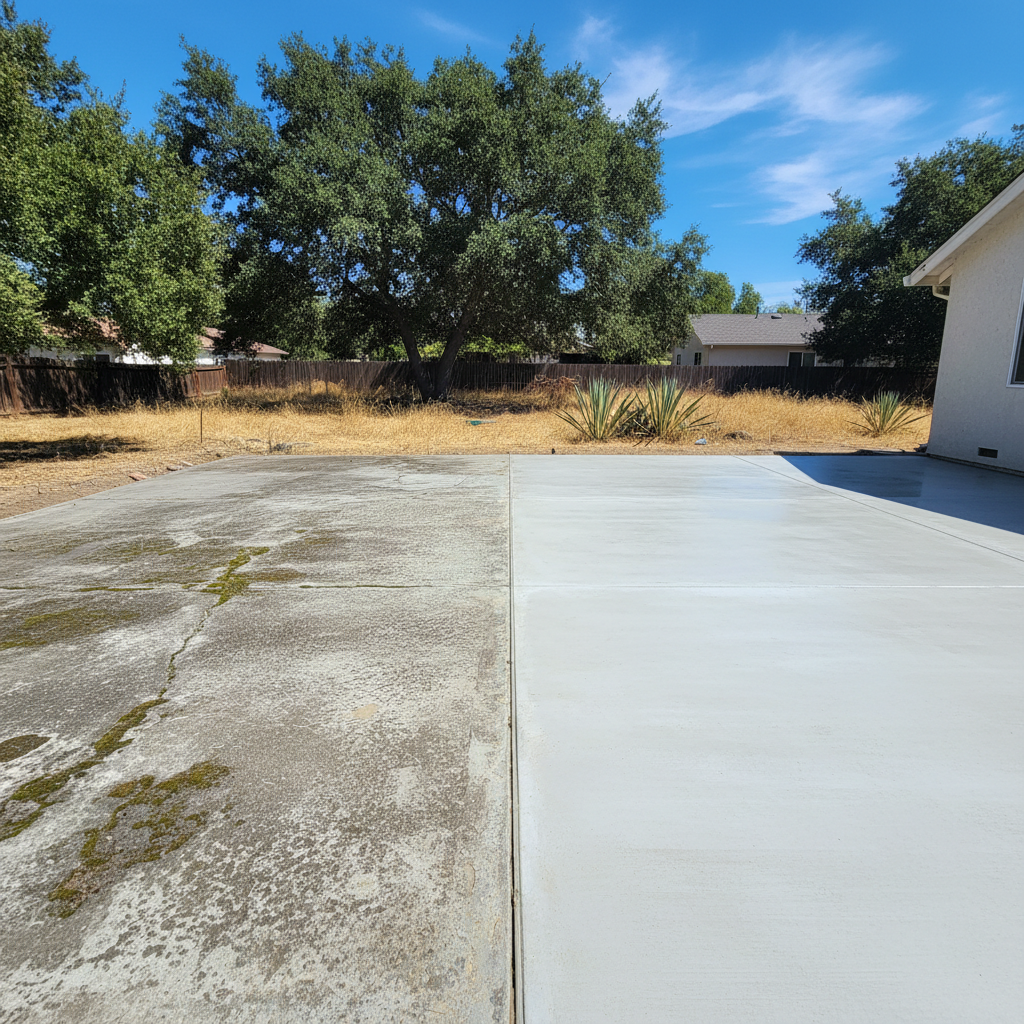
Alright, let's talk about foundations. When you're building a new home or even adding a big extension here in Stockton, one of the biggest choices you'll make is what kind of foundation to put it on. Most folks usually look at two main options: a concrete slab or a raised foundation (sometimes called a pier-and-beam or crawl space foundation). Both have their place, sure, but they're definitely not a perfect fit for every situation, especially given our local conditions.
Slab-on-Grade Foundations: The Basics
A slab-on-grade foundation is pretty much exactly what it sounds like: a big, thick concrete slab poured right onto the ground. Before we pour, we get the soil ready, put down a vapor barrier, and then add any rebar or post-tension cables needed for strength. The plumbing and electrical lines usually run right through the slab itself. Once it's set, that's your floor.
Pros of Slab Foundations:
- Cost-Effective: Generally speaking, slabs are cheaper to build upfront. There's less digging, less material, and often we can install them quicker compared to a raised foundation. That's a huge plus for your budget, right?
- Energy Efficiency: Concrete holds a lot of heat. This means it soaks up and releases heat slowly. During our hot Stockton summers, a slab can actually help keep your house cooler if it's insulated and shaded properly. It also cuts down on air leaks you might get with a crawl space.
- Durability & Pest Resistance: A solid concrete slab is tough stuff. It won't rot, and it's much harder for pests like termites or rodents to get through than wood framing. Less worrying about critters under your house, which is always nice.
- Accessibility: For folks with mobility issues, a slab foundation means no steps up into the house, making it easier to move around.
Cons of Slab Foundations:
- Plumbing & Electrical Repairs: This is the big one, no doubt about it. If you have a pipe burst or an electrical problem *under* the slab, you'll have to break up concrete to get to it. That's messy, expensive, and a real headache.
- Flood Risk: If your property sits in an area that floods often, a slab foundation doesn't give you much elevation. Your first floor is basically at ground level.
- Less Flexibility: Want to run new wiring or add a new plumbing fixture down the road? It's a much bigger job when you have a slab.
- Cracking: Modern slabs are designed to minimize this, but concrete can still crack, especially with our expansive clay soils here in parts of Stockton, like around the Spanos Park area. Getting the soil ready correctly and using good reinforcement are absolutely crucial.
Raised Foundations: The Traditional Approach
A raised foundation means we build a perimeter foundation wall (usually concrete or concrete block), then create a crawl space underneath the house. The floor joists and subfloor then go on top of these walls, leaving a gap between the ground and the bottom of your house.
Pros of Raised Foundations:
- Easier Repairs & Updates: This is where raised foundations truly shine. If you have a plumbing leak, need to run new cables, or want to add a new bathroom, getting to everything in the crawl space is much, much easier. It saves a ton of time and money on future renovations or repairs, believe me.
- Better Drainage & Flood Protection: Lifting your home off the ground helps water drain away from the foundation and offers some protection against minor flooding.
- Comfort: A well-insulated crawl space can actually make your floors feel warmer in the winter. Plus, there's a bit more give underfoot, which some people find more comfortable than a hard slab.
- Flexibility for Sloped Lots: If your lot isn't perfectly flat, a raised foundation can often be adapted more easily than trying to level a huge area for a slab.
Cons of Raised Foundations:
- Higher Upfront Cost: Generally, raised foundations cost more to build. They need more digging, more materials (like lumber for joists and subfloor), and more labor.
- Pest & Moisture Issues: Crawl spaces can be pretty inviting places for pests like rodents, termites, and even mold if they aren't ventilated and maintained correctly. You really have to keep an eye on them.
- Energy Loss: If a crawl space isn't insulated right, it can let heat escape in the winter and heat in during the summer, which impacts your energy bills.
- Accessibility: You'll have steps up into the house, and that can be a problem for some people.
My Take & Recommendation for Stockton Homes
Look, I've poured a lot of concrete foundations around here, both slab and raised. For most new construction in Stockton, especially if you're building on a relatively flat lot and your budget is a primary concern, a well-engineered slab-on-grade foundation is often the best choice. Modern slabs, when done right with proper soil compaction, vapor barriers, and reinforcement, are incredibly tough and energy-efficient.
However, if you're building on a sloped lot, or if you're someone who really values easy future repairs and renovations above all else, then a raised foundation is definitely worth the extra money. Knowing you can easily get to your plumbing and electrical without busting up concrete is a huge deal for some homeowners.
Here's the kicker: the most important thing, no matter which you pick, is good site preparation and quality construction. You can have the best design in the world, but if the foundation isn't built right, you're going to have problems down the line. That's where a local crew like Stockton Concrete Contractors comes in. We understand the specific soil conditions and weather patterns we deal with here in the Central Valley, and we build foundations that last.
Ultimately, it all comes down to your priorities, your budget, and what your specific lot looks like. Think about what matters most to you in the long run. If you're still scratching your head, give us a call. We can walk your property and give you an honest assessment based on what we see.