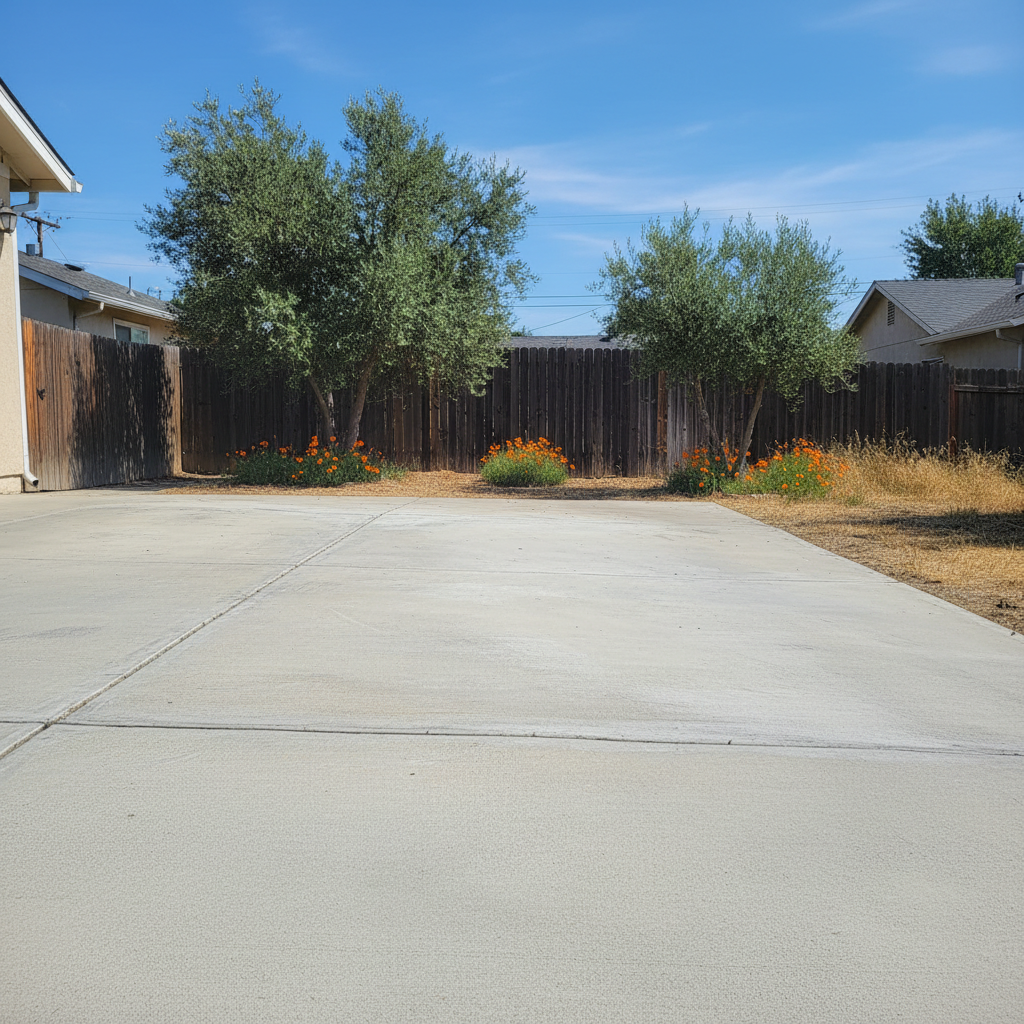
So, you've had some concrete work done, maybe a cracked driveway fixed, or a new patio poured. You shelled out good money for it, and you want it to last, right? Of course, you do. Nobody wants to see those same problems pop up again a year or two down the road. I've seen plenty of folks around Stockton who think once it's fixed, it's fixed forever. That's just not how it works, especially with our Central Valley climate.
Extending the Life of Your Concrete Repair
The biggest thing you can do to make your concrete repairs last is to protect them from what caused the damage in the first place. Often, that's water, heavy loads, or just plain old wear and tear. If we fixed a crack, it's usually because water got in there, froze, expanded, and broke things apart. Or maybe tree roots pushed it up. You gotta deal with the root cause, not just the symptom.
First off, seal it. I can't stress this enough. A good quality concrete sealer, applied correctly, is like a raincoat for your concrete. It repels water, prevents stains, and protects against abrasion. For our hot Stockton summers and surprisingly cold, damp winters, sealing is crucial. It stops moisture from penetrating the surface, which means less freeze-thaw damage and less opportunity for chemicals or oil to soak in and cause trouble. You should plan on resealing every 2-5 years, depending on the traffic and the type of sealer we used.
Next, manage your drainage. If water is constantly pooling on or around your concrete, it's going to find a way in. Make sure your downspouts are directed away from your concrete surfaces. If you've got a patio, ensure the ground slopes away from it. This is a big one, especially with our heavy rains we get sometimes. Standing water is the enemy of concrete.
Finally, don't overload it. If we repaired a section of your driveway, it was designed for a certain load. Parking your RV on a section only meant for cars, or driving heavy machinery over it repeatedly, is just asking for trouble. Use your concrete for its intended purpose.
Regular Maintenance: What You Need to Do
Keeping your concrete in good shape isn't rocket science, but it does take a little effort. Think of it like changing the oil in your car – neglect it, and you'll pay for it later.
- Keep it clean: Sweep off dirt, leaves, and debris regularly. Organic matter can hold moisture against the concrete, encouraging mold and mildew growth. Plus, dirt and grit act like sandpaper when walked or driven over, slowly eroding the surface.
- Wash it down: A good rinse with a garden hose and a stiff brush (not a wire brush!) can do wonders. For tougher stains, a mild detergent and water usually do the trick. Avoid harsh chemicals or pressure washers set too high, as they can damage the sealer and even the concrete itself.
- Address spills immediately: Oil, grease, chemicals – these things don't belong on your concrete. The quicker you clean them up, the less chance they have to penetrate and stain or degrade the surface.
- Watch for weeds: Weeds growing in cracks aren't just an eyesore; their roots can widen existing cracks and create new ones. Pull them out as soon as you see them.
That's about it for the day-to-day stuff. It's not a lot, but it makes a huge difference over time.
Warning Signs You Shouldn't Ignore
Your concrete will usually tell you when something's wrong, if you know what to look for. Don't wait until it's a major disaster. Catching these issues early can save you a bundle.
- New cracks or widening existing ones: This is the most obvious sign. Small hairline cracks are often just surface shrinkage, but if they're getting bigger, or new ones are appearing, something's moving underneath.
- Spalling or flaking: This looks like the surface of the concrete is peeling or chipping away. It's usually caused by moisture getting trapped in the concrete and freezing, or by improper finishing.
- Pitting: Small holes or craters on the surface. This can happen from de-icing salts or aggregate popping out.
- Unevenness or sinking: If a section of your concrete is suddenly lower than the surrounding areas, or if it feels bouncy when you walk on it, you've got a sub-base issue. This is common in areas with expansive clay soils, like we have in parts of Stockton, where the ground can swell and shrink with moisture changes.
- Discoloration or persistent stains: If you're seeing dark, damp spots that never dry, or strange white powdery residue (efflorescence), it could indicate moisture problems.
When to Call a Professional
Look, I'm a big believer in doing what you can yourself. But there are times when you just need to call in the pros. If you're seeing any of those warning signs I just mentioned, especially if they're getting worse, it's time to pick up the phone. Don't try to DIY a major structural issue. You could make it worse, or worse, create a safety hazard.
If you're unsure, just give us a call at Stockton Concrete Contractors. We're happy to come take a look and give you an honest assessment. Sometimes it's a simple fix, sometimes it's more involved. Either way, you'll know what you're dealing with. It's always better to address these things sooner rather than later. A small crack today can become a major tripping hazard or a foundation problem tomorrow.