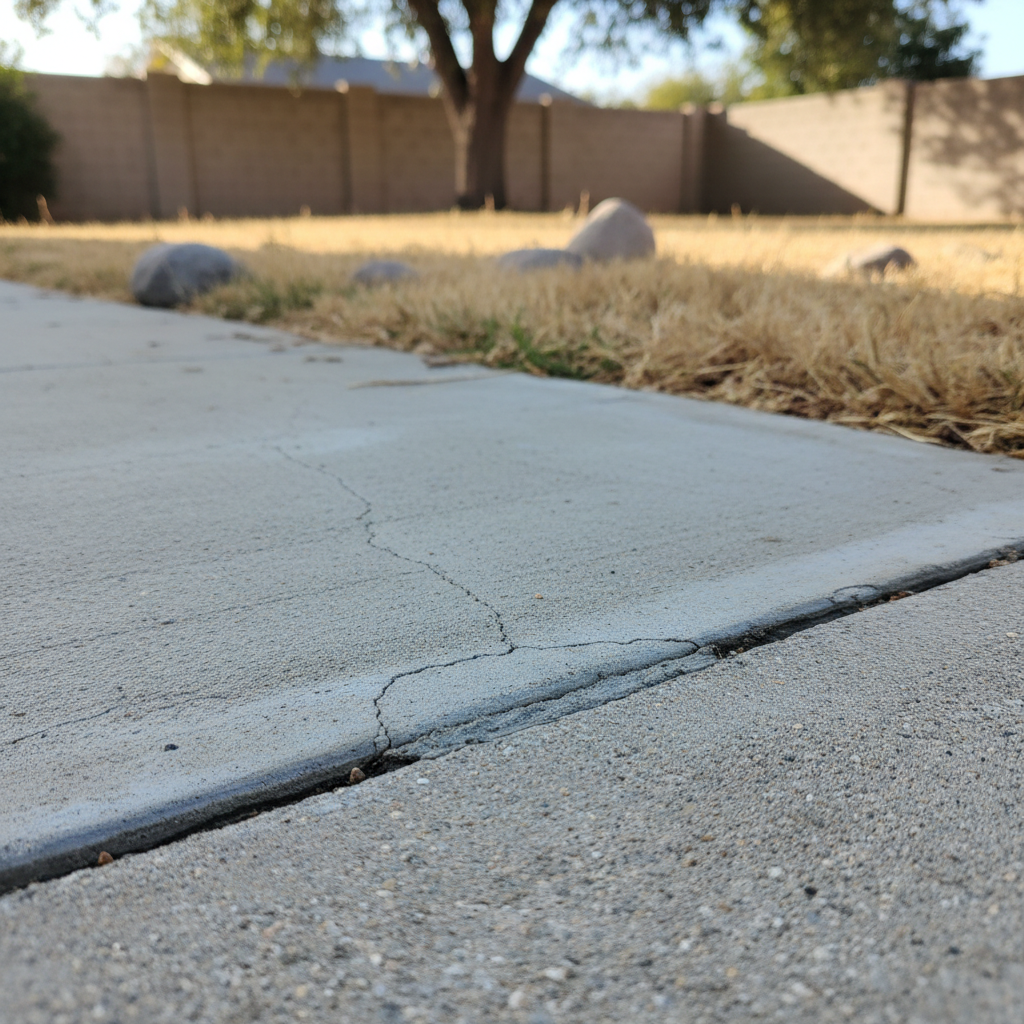
Your concrete's seen better days, huh? Maybe it's a crack in the driveway, a spalled patio, or a wobbly step. It happens. Concrete's tough, but it's not indestructible, especially with our hot Stockton summers and those occasional heavy rains we get. The big question I hear from homeowners is always, "Can I fix this myself, or am I gonna make it worse?" Let's break it down.
Before You Even Think About Repairing
First off, you gotta figure out what's causing the damage. Just patching a crack without knowing why it's there is like putting a band-aid on a broken bone. It ain't gonna last. Is it a hairline crack from normal concrete shrinkage? Is it a bigger, wider crack that suggests movement underneath, maybe from poor soil compaction or tree roots? If your concrete slab is sinking or lifting significantly, especially in areas like the Miracle Mile where older homes might have settling foundations, that's a red flag right there. You're probably looking at a bigger issue than a simple patch job can handle.
You'll also want to clean the area thoroughly. Get rid of all the loose bits, dirt, moss, whatever. A wire brush, a good sweep, and maybe even a power wash will do the trick. The repair material needs a clean surface to bond to, plain and simple.
What You Can Probably DIY
Okay, so you've got some minor stuff. Hairline cracks, small spalls (those little surface chips), or maybe a few small holes. This is where you can usually roll up your sleeves and save some money.
- Hairline Cracks: For these, a good quality concrete caulk or crack filler from the hardware store is your friend. Make sure the crack is clean and dry. Squeeze the filler in, smooth it out with a trowel or your finger (wear gloves!), and let it cure. It's more about preventing water intrusion than structural repair, but that's important for stopping bigger problems down the line.
- Small Spalls or Holes: You can use a vinyl-reinforced patching compound for these. Chip out any loose concrete around the spall until you hit solid material. Dampen the area slightly – don't soak it, just damp. Mix your patching compound according to the directions, apply it with a trowel, and feather the edges so it blends in. Keep it moist for a few hours or a day, depending on the product, to help it cure properly.
- Resurfacing a Worn Surface: If your patio or walkway is just looking tired and faded, but isn't structurally damaged, a concrete resurfacer can work wonders. This is a thin, polymer-modified cementitious coating. It takes some practice to get a smooth, even finish, but it can make old concrete look almost new again. Read the instructions carefully; surface prep is critical for this one.
When to Call Stockton Concrete Contractors
Alright, this is where you need to be honest with yourself. Some jobs are just too big, too complex, or too risky to tackle on your own. This is when you call in the pros, like us at Stockton Concrete Contractors.
- Wide, Deep, or Spreading Cracks: If a crack is wider than, say, a quarter-inch, or if it's actively getting bigger, that's usually a sign of significant movement or structural issues. Patching this yourself is just a temporary fix that won't address the root cause.
- Sinking or Uneven Slabs: If your driveway or patio sections are clearly sinking, lifting, or creating trip hazards, you've got a sub-base problem. This could be due to soil erosion, poor compaction during the original pour, or even expansive clay soils we sometimes see around here. We're talking about mudjacking (slab jacking) or even full slab replacement, not a bucket of patch.
- Extensive Spalling or Deterioration: If a large area of your concrete is crumbling, flaking, or has widespread pitting, the concrete itself might be failing. A thin patch won't adhere well or last long. You're likely looking at needing a full replacement of that section.
- Structural Elements: Steps, foundations, retaining walls – if these are cracked or compromised, that's not a DIY job. These elements bear weight and are critical for your home's safety and integrity. You absolutely need an experienced concrete contractor to assess and repair them correctly.
- Time and Tools: Let's be real. Do you have the time, the right tools, and the patience to do a good job? Sometimes the cost savings of DIY are eaten up by buying tools you'll only use once, or by the sheer frustration of a job gone wrong. Your time's worth something too.
Look, I'm all for homeowners being handy. But I've seen too many well-intentioned DIY repairs that end up costing more to fix properly later on. For the small stuff, go for it. For anything that looks serious, or if you're just not sure, give a local concrete pro a call. We can come out, take a look, and give you an honest assessment of what's going on and what your best options are. It's often cheaper in the long run to get it done right the first time.