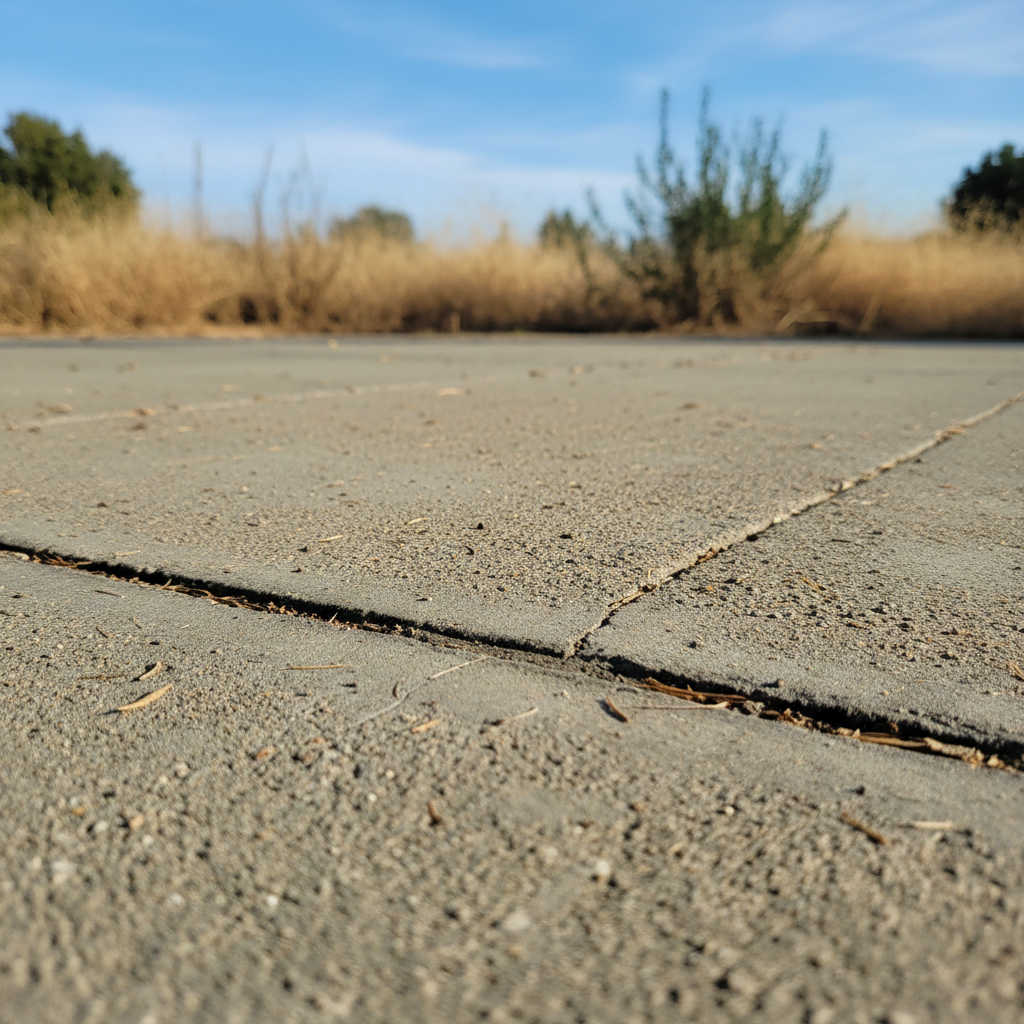
Alright, let's talk about those cracks in your driveway or patio. You see 'em, I see 'em. Every homeowner in Stockton eventually deals with some kind of concrete damage. It's just a fact of life, especially with our hot summers and those occasional heavy rains that can really mess with the ground underneath.
So, what can you actually fix yourself without making things worse, and when should you just pick up the phone and call someone like us at Stockton Concrete Contractors? I'm gonna lay it out for you.
Before You Start: Assess the Damage
First things first, you gotta figure out what kind of damage you're looking at. Not all cracks are created equal.
- Hairline Cracks: These are thin, usually less than 1/8 inch wide. They're often just surface-level and happen from normal concrete shrinkage as it cures. You can usually tackle these yourself.
- Small Chips or Spalls: These are little pieces of concrete that have flaked off the surface. Could be from impact, freeze-thaw cycles (though we don't get much of that here), or just old age. Also a good candidate for DIY.
- Larger Cracks (1/4 inch or more), Uneven Slabs, or Structural Damage: If your concrete is sinking, heaving, or you've got wide cracks where one side is higher than the other, you're probably looking at a bigger issue than a simple patch can fix. This is often due to soil movement, poor drainage, or a bad base when the concrete was poured. In areas like the old Miracle Mile, where some homes are on less stable fill, you see this more often. This is where you need a pro.
- Crumbling or Pitting: If large sections are crumbling or the surface is pitted everywhere, your concrete might be past its prime. Patching a whole failing slab is like putting a band-aid on a broken leg – it won't hold.
My rule of thumb? If it's just cosmetic and not affecting the integrity or safety of the slab, you can probably DIY. If it's structural, uneven, or widespread, call us. Don't waste your money on materials for a problem that needs a real solution.
What You Can DIY: Patching Small Stuff
Okay, so you've got some hairline cracks or small chips. Here's the basic rundown for a successful patch:
- Clean it Up: This is crucial. Get all the loose debris, dirt, and old crumbling concrete out of the crack or chip. Use a wire brush, a chisel, and a shop vac. You want a clean, solid surface for your patch material to bond to. If there's any oil or grease, clean it with a degreaser and rinse thoroughly.
- Prepare the Area: For cracks, you might need to widen them slightly with a chisel and hammer to create an inverted V-shape. This gives the patching material something to grip onto. For chips, just make sure the edges are clean and solid.
- Dampen (but Don't Soak): Lightly mist the area with water. This helps prevent the existing concrete from sucking the moisture out of your patching compound too quickly, which can lead to a weak bond and more cracking.
- Apply the Patch: Use a good quality concrete patching compound. For small cracks, a caulk-gun style crack filler works great. For chips or wider cracks, you'll want a patching mortar or a vinyl concrete patch. Follow the manufacturer's instructions for mixing. Press the material firmly into the crack or void with a trowel or putty knife. You want to eliminate air pockets.
- Smooth it Out: Level the patch with the surrounding concrete. You can use a trowel, or even a damp sponge for a smoother finish. Try to match the texture of the existing concrete as best you can.
- Cure It Right: This is where a lot of DIYers mess up. Concrete needs to cure, not just dry. Keep the patch damp for at least 24-48 hours, or even longer for thicker patches. Cover it with plastic sheeting or mist it periodically. This slow curing process makes the patch much stronger and less likely to crack again.
When to Call the Pros (That's Us!)
Look, I'm all for saving a buck, but some jobs are just too big or too complex for a weekend warrior. Here's when you really need to bring in Stockton Concrete Contractors:
- Sinking or Uneven Slabs: If your sidewalk is a tripping hazard or your patio is sloped the wrong way, that's not a patch job. We're talking about potential sub-base issues, maybe even a need for mudjacking or slab replacement.
- Wide, Deep, or Spreading Cracks: Cracks that are getting wider, running through multiple slabs, or are deeper than an inch usually indicate a more serious structural problem. Patching these is a temporary fix at best, and it'll just crack again.
- Extensive Surface Damage: If your entire driveway is crumbling or pitting, you're probably looking at resurfacing or replacement. Patching a hundred small spots just isn't practical or cost-effective.
- Drainage Issues: Sometimes, concrete damage is a symptom of a larger drainage problem. We can assess the whole situation and recommend solutions that prevent future damage, not just fix the current one.
- Safety Concerns: If the damage is creating a significant tripping hazard or compromising the structural integrity of something important (like a foundation or retaining wall), don't mess around.
We've seen it all in Stockton, from old driveways in the University Park neighborhood that have seen better days, to new construction where the ground just settled unexpectedly. We can give you an honest assessment and a solid plan, whether it's a simple repair or a full replacement.
After the Repair: Maintenance Matters
Once your concrete is repaired, whether you did it or we did it, a little maintenance goes a long way. Keep it clean, seal it every few years to protect against water penetration, and address any new issues quickly. Don't let a small crack turn into a big headache.
If you're ever unsure, just give us a call at Stockton Concrete Contractors. We're happy to take a look and give you our professional opinion. It's better to ask than to spend your weekend on a repair that won't last.