You want new concrete, and you're probably wondering, "How much is this going to set me back?" It's a fair question, and frankly, some contractors make it sound like rocket science. It's not. It's just concrete, but there are definitely things that make the price go up or down. As someone who's poured a lot of concrete right here in Stockton, I've seen it all, and I can tell you what you need to know.
What Really Affects Your Concrete Price Tag?
Forget the fancy sales pitches. Here's what actually changes the cost:
- Size and Complexity: This is the big one. A simple, flat 10x10 patio is way cheaper per square foot than a winding pathway with curves, steps, or multiple levels. More cuts, more forms, more labor – it all adds up.
- Concrete Type & Finish: Standard gray concrete is your cheapest option. Want exposed aggregate? That's going to cost more because it's a more labor-intensive process. Stamped concrete? Even more, depending on the pattern and colors. Decorative finishes aren't just about materials; they're about skilled labor and time.
- Site Preparation: Is your yard already level, or do we need to do a lot of digging, grading, or fill work? If we're tearing out old concrete, that's demo and haul-away costs. If we hit a bunch of tree roots or need to bring in a lot of base material because of soft soil – common in some of our older Stockton neighborhoods like the Miracle Mile area – that's extra work and materials.
- Access: Can a concrete truck easily get to where we're pouring, or do we need to use wheelbarrows or a pump truck? Pumping concrete costs more, usually an extra $1.50-$2.50 per square foot, but sometimes it's the only way to get the job done right, especially for backyard patios with tight access.
- Reinforcement: Most standard residential concrete needs rebar or wire mesh for strength. If you're pouring a heavy-duty slab for an RV pad or a commercial building, you'll need more robust reinforcement, which costs more.
Typical Concrete Installation Ranges in Stockton
Alright, let's talk numbers. These are general ranges for typical residential jobs, and remember, these are just estimates. You'll need a real quote for your specific project.
- Standard Gray Concrete (Driveways, Patios, Walkways): For a basic, broom-finish slab with standard reinforcement, you're usually looking at $6 to $12 per square foot. A simple, large driveway might be on the lower end, while a smaller, more intricate patio could be on the higher end.
- Exposed Aggregate: This finish runs a bit more because of the extra steps involved. Expect to pay anywhere from $10 to $18 per square foot. It looks great, but it's more labor.
- Stamped Concrete: This is where prices vary a lot depending on the pattern, colors, and complexity. Simple patterns might start around $15 per square foot, but elaborate, multi-color, highly detailed stamping can easily go up to $25+ per square foot.
- Concrete Removal & Haul Away: If you've got old concrete that needs to go, budget around $2 to $5 per square foot for removal and disposal. This can really add up on a big job.
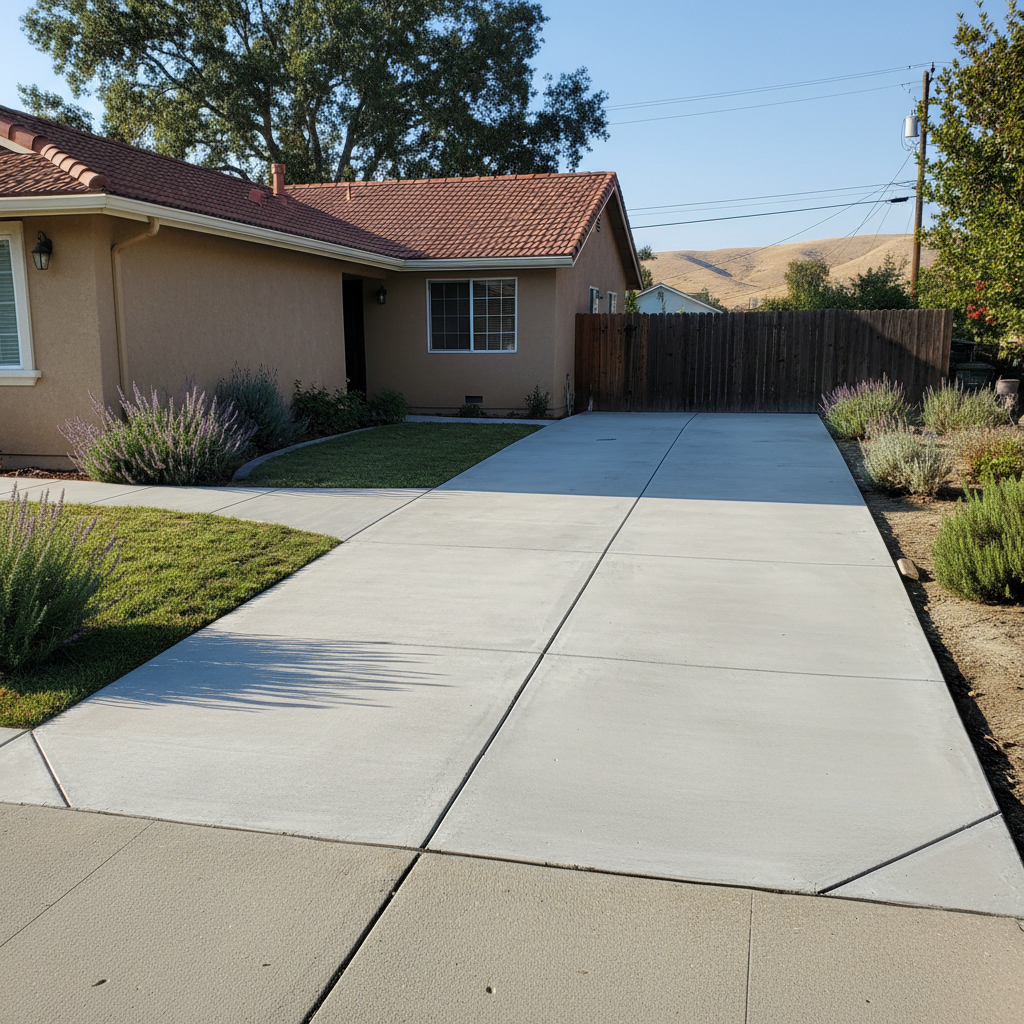
So, a 500 sq ft standard broom-finish driveway could be $3,000 to $6,000. That same driveway in exposed aggregate? $5,000 to $9,000. See how it changes?
What Should Be Included in Your Quote?
When you get a quote from Stockton Concrete Contractors or any other outfit, make sure it's detailed. You don't want surprises. A good quote should clearly break down:
- Site Preparation: This means grading, excavation, compacting the base, and any necessary fill.
- Materials: Concrete mix (psi strength), rebar or mesh, forms, expansion joints, and any decorative materials like color or release agents for stamping.
- Labor: The cost for the crew to form, pour, finish, and cure the concrete.
- Permits: If required by the city or county for your specific project. Don't skip these; it can cause headaches later.
- Cleanup & Haul Away: What happens to the old concrete or excess dirt? Make sure it's included.
- Warranty: What kind of guarantee do they offer on their work?
If a quote just gives you one lump sum, push back. Ask them to itemize it so you know exactly what you're paying for.
How to Avoid Overpaying for Concrete
It's your hard-earned money, so be smart about it.
- Get Multiple Quotes: This is basic, but crucial. Talk to at least three reputable concrete contractors. Don't just go with the cheapest; compare what's included in each quote.
- Check References & Reviews: Look at their past work. Ask for addresses of projects they've done locally so you can drive by and see the quality for yourself.
- Be Specific About What You Want: The more details you provide upfront, the more accurate the quote will be. Don't change your mind halfway through the job if you don't want extra charges.
- Don't Pay in Full Upfront: A reasonable deposit (10-30%) is normal, especially for materials. But never pay the entire amount before the work is done and you're satisfied.
- Understand the Contract: Read everything. If you have questions, ask them before you sign anything.
Concrete is a long-term investment in your property. You want it done right the first time. Don't rush into a decision, and don't let anyone pressure you. Do your homework, ask the right questions, and you'll end up with a great job at a fair price.