You've probably got questions about your home's foundation, and believe me, I hear a lot of them. Most folks ask about cracks or how long a foundation lasts. But there are some deeper questions that come up, the ones that really get into the nitty-gritty of what's holding your house up. I'm going to dig into those today, the stuff that goes beyond just the surface.
What's the real difference between a slab-on-grade and a raised foundation, and why should I care?
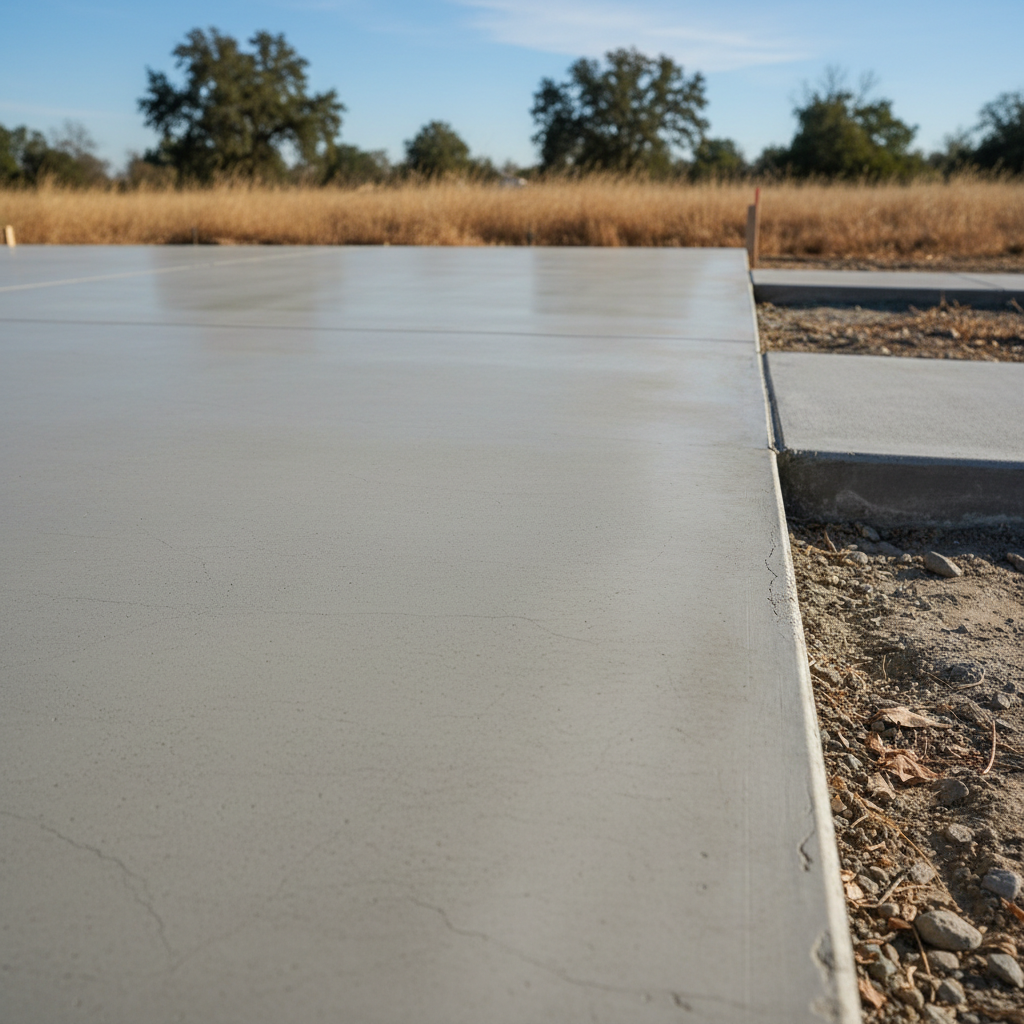
Alright, this is a big one, and it's not just about what looks good. A slab-on-grade foundation means your house is built directly on a concrete slab that sits right on the ground. Think of it like a big, thick patio that your house is built on. There's no crawl space underneath. A raised foundation, though, has a crawl space between the ground and the first floor of your house. It usually involves concrete footings and stem walls, then wooden joists and subflooring.
Why should you care? Well, for starters, repairs are different. If you've got plumbing issues under a slab, we're talking about breaking up concrete to get to it. That's a mess, and it's expensive. With a raised foundation, a plumber can often get into the crawl space and fix things without tearing up your floor. On the flip side, slabs are generally more resistant to pests like termites because there's no easy access point from the ground up through a crawl space. Also, the ground conditions here in Stockton can vary a lot. Some areas, especially closer to the delta, have more expansive clay soils. A properly engineered slab can handle some of that movement, but a raised foundation with deep footings might be a better fit for extreme cases to prevent differential settlement.
Can I really add a second story to my house if it's on a slab foundation?
This isn't a simple yes or no, but generally, it's more complicated than with a raised foundation. The main issue is whether your existing slab was designed to handle the extra weight of a second story. Most single-story slab foundations aren't built with that kind of load in mind. You'd need an engineer to come out, assess the current slab, and figure out if it has enough strength and reinforcement. They'd look at the thickness, the rebar, and the soil conditions underneath. Often, you'd need to add new footings and potentially reinforce the existing slab, which can be a significant undertaking.
It's not impossible, but it's rarely a cheap or easy project. You're essentially asking your foundation to do double duty, and if it wasn't built for that, you're looking at some serious structural work. Always get a structural engineer involved early in the process for this kind of project. They'll tell you what's feasible and what's going to break the bank.
What's the deal with vapor barriers under my slab, and do I really need one?
A vapor barrier is a thick plastic sheet, usually 6-mil or 10-mil polyethylene, that's laid directly on the ground before the concrete slab is poured. It's designed to stop moisture from the soil from wicking up through the concrete and into your home. Think of it as a raincoat for your foundation.
Do you need one? Absolutely, yes. Especially here in Stockton, where we get our fair share of rain, and the soil can hold a lot of moisture. Without a vapor barrier, that moisture can cause all sorts of problems inside your house: mold and mildew under flooring, cupping or warping of wood floors, increased humidity, and even issues with adhesives failing. It's a relatively inexpensive part of the foundation build, but skipping it can lead to very costly headaches down the road. Any reputable contractor, like us at Stockton Concrete Contractors, will always include a proper vapor barrier in a new slab pour.
My foundation has a small crack. How do I know if it's serious or just cosmetic?
This is probably the most common foundation question, and it's a good one. Not all cracks are created equal. Hairline cracks, especially those that are vertical or diagonal and don't get wider over time, are often just shrinkage cracks. Concrete shrinks as it cures, and these small cracks are pretty normal and usually not a structural concern. They're like wrinkles on an old face – not pretty, but not a sign of immediate danger.
What you need to worry about are cracks that are wider than a quarter-inch, cracks that are horizontal, or cracks that show significant vertical displacement (one side is higher or lower than the other). Also, if a crack is getting noticeably longer or wider over weeks or months, or if you see multiple cracks forming a spiderweb pattern, that's a red flag. Cracks that appear around door frames or window sills, especially if doors or windows start sticking, can also indicate foundation movement. If you see any of these more serious signs, don't just patch it and forget it. Get a professional out to assess it. It's better to be safe than sorry when it comes to your home's foundation.
How long does a concrete foundation actually last in our climate?
A well-built concrete foundation, properly engineered and poured, can last for a very, very long time – often 75 to 100 years, or even more. Concrete is incredibly durable. But its lifespan isn't just about the concrete itself; it's about what happens to it over those decades. The biggest factors affecting longevity here in the Central Valley are soil conditions, drainage, and seismic activity.
Expansive clay soils, if not properly prepared or accounted for in the original design, can cause foundations to heave and settle, leading to cracks and structural issues over time. Poor drainage around your house, where water pools near the foundation, can erode the soil underneath or cause hydrostatic pressure against the walls, which is bad news. And while Stockton isn't on a major fault line, we do experience earthquakes, and repeated shaking can stress a foundation. Regular maintenance, like ensuring good drainage and addressing any minor cracks promptly, goes a long way in helping your foundation hit that century mark.
What's the deal with 'post-tension' slabs? Are they better?
Post-tension slabs are a type of concrete foundation where high-strength steel cables (tendons) are run through the concrete before it's poured. After the concrete cures, these cables are tensioned, or pulled tight, using hydraulic jacks. This puts the concrete under compression, which makes it incredibly strong and resistant to cracking and deflection.
Are they better? For certain applications and soil conditions, yes, they can be. They're often used in areas with expansive soils because the compression helps the slab resist movement and cracking caused by soil expansion and contraction. They can also allow for thinner slabs or larger unsupported spans compared to traditionally reinforced slabs. However, they're more complex to design and install, and repairs can be more specialized because you're dealing with those high-tension cables. If you're building new, it's definitely something to discuss with your engineer and contractor, especially if your lot has challenging soil conditions.